
















Just do it!
That is the answer if you are wondering if you should join a club, organization or sport outside of school.
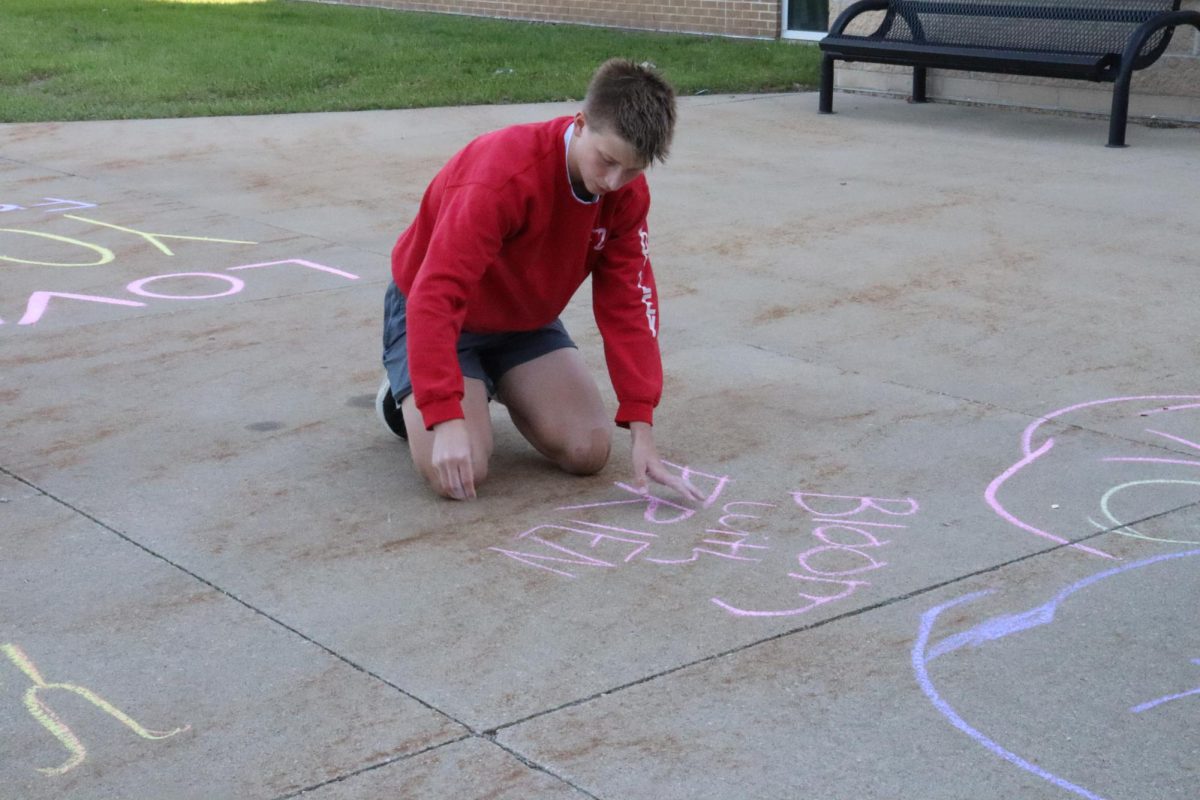
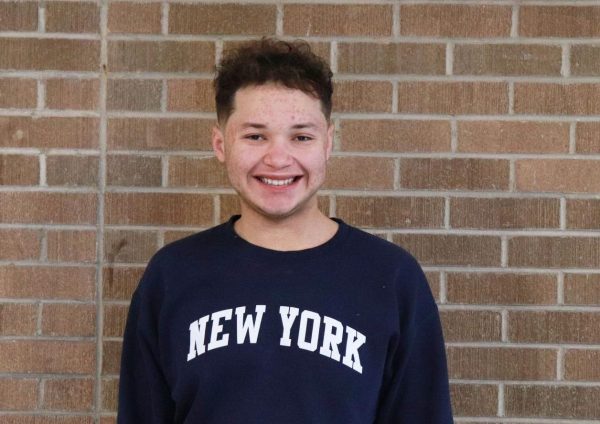
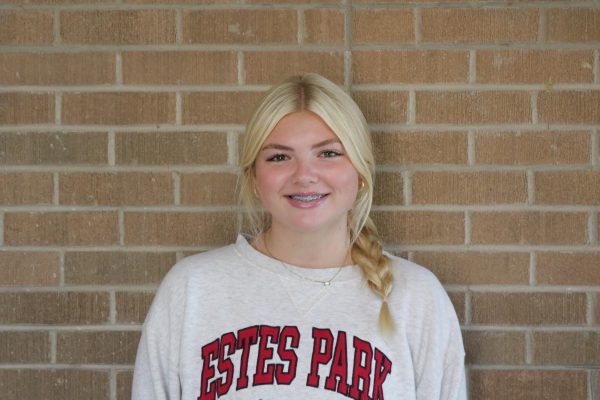
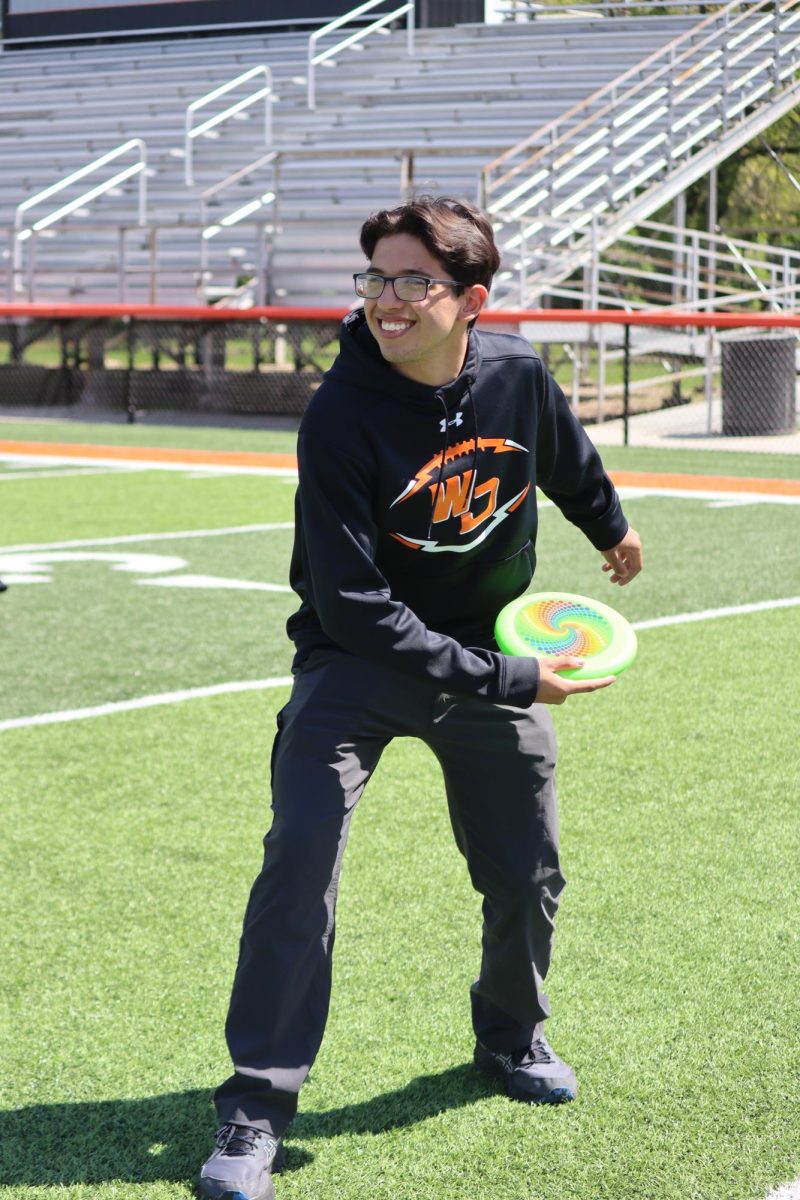
From athletics to leadership groups to part-time jobs, students at West Delaware say involvement has shaped who they are, pushed them out of their comfort zones, and even influenced their plans.
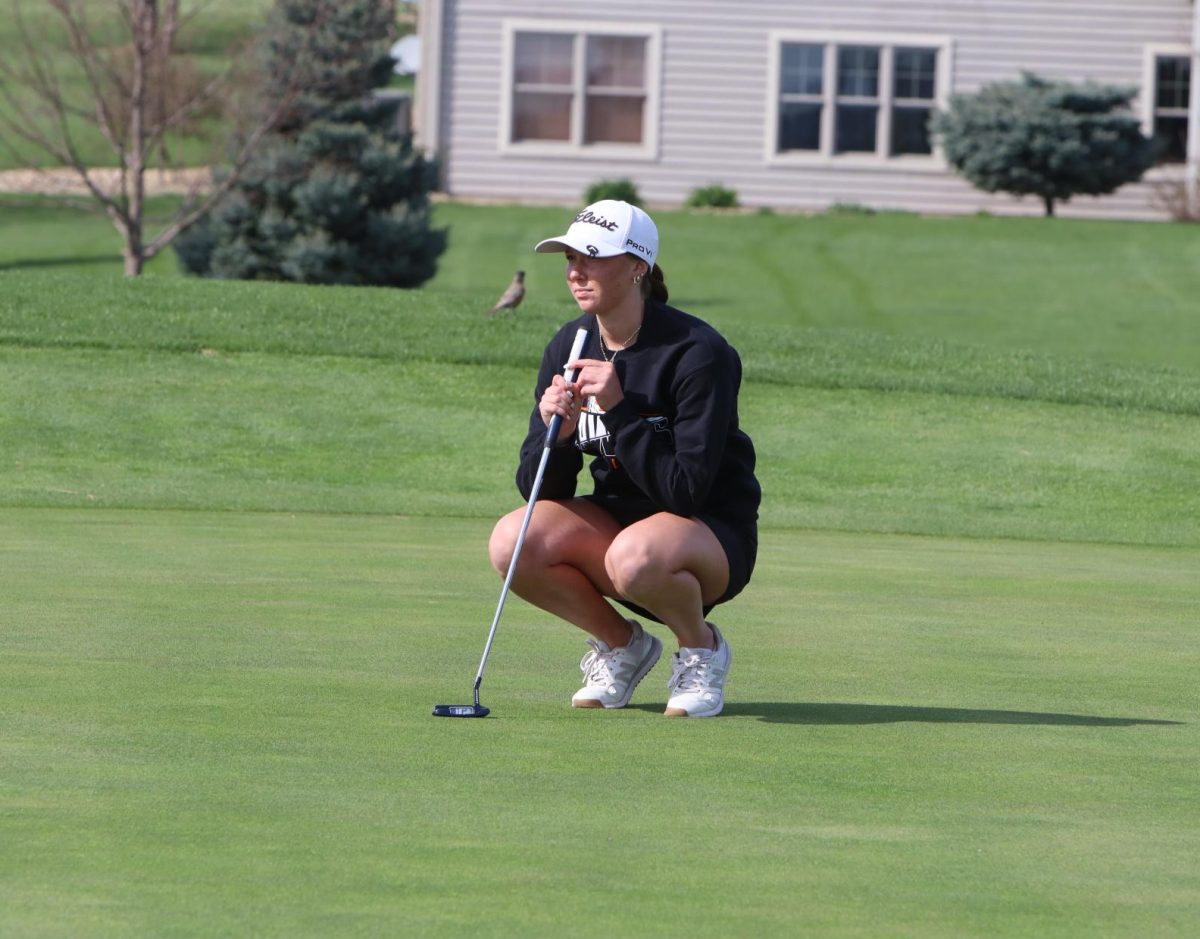
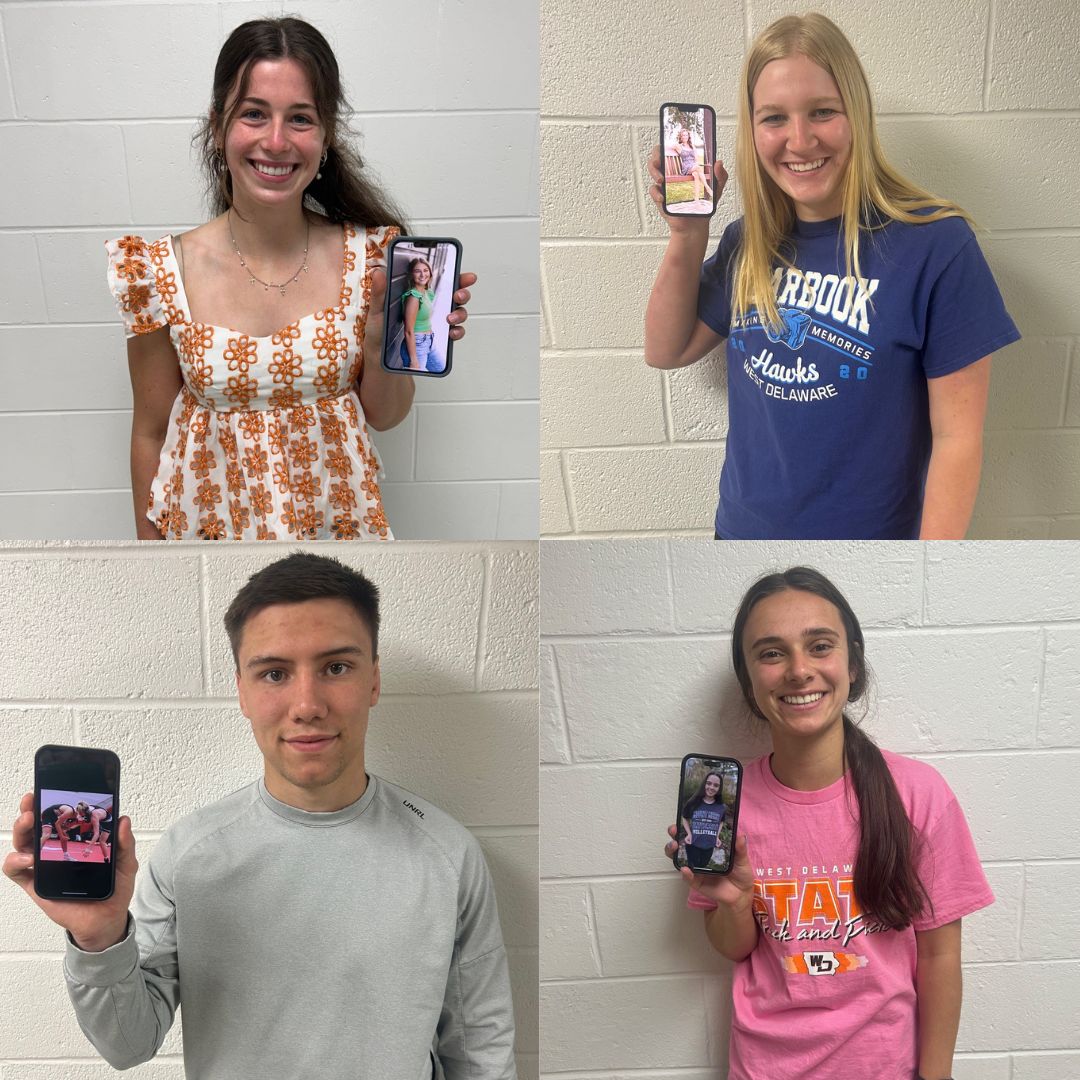
Senior Malorie Putz, who participates in student council, FFA, golf, wrestling cheer and cross country while also working two jobs, said the biggest benefit wasn’t just the activities themselves—but the people behind them.
“What drew me to the activities was the team and the team culture,” Putz said. “I also enjoy being very involved in my school.”
Putz admitted she wasn’t always confident when trying something new.
“I didn’t think I would like cross country, and I thought I wouldn’t be very good at it,” Putz said.
But after a season of effort, she earned a Most Improved award—proof that involvement can lead to unexpected success.

Other students emphasized that the benefits go beyond performance.
Senior Norah Peyton, involved in track, softball, cross country, 4-H and school leadership groups, said participation has had a lasting impact on her character.
“It has definitely helped me improve as a leader and individual,” Peyton said. “My leadership roles have built me into a greater person than any athletic ability I’ve had.”
Balancing that level of involvement with academics isn’t always easy, but students say it’s possible with the right habits.
“Don’t procrastinate,” Peyton said. “It’s easier to have things done and not have to worry about it later.”
For some, involvement has even helped shape long-term goals.
Junior Dylan Schaul, active in wrestling, football, track, National Honor Society and student council, said mentoring younger athletes changed how he sees his future.
“A lot of the youth wrestlers asked where I was when I missed a practice,” Schaul said. “At that point, I knew I made an impact.”
That experience led him to consider a career in teaching and coaching.
Schaul also points to the opportunities involvement creates.
“High school gives you a lot of opportunities, and they’re the beginning of your networking,” Schaul said. “Networking helps with the rest of your life.”
For others, the key is variety.
Junior Tyler Buesing, involved in football, golf, student council, FBLA and National Honor Society, said trying different activities helped him better understand his interests.
“It helped me learn how to meet new people and narrow down what I liked and didn’t like,” Buesing said.
His advice to other students is straightforward: “Be well-rounded. If you’re really into sports, try a club. If you’re not into sports, try one anyway.”
Despite their different paths, these students share a common message for those hesitant to get involved: you don’t need to have it all figured out.
“Most people don’t have any idea what they’re doing when they get started,” Putz said. “Everyone is really supportive and will help you learn.”
For students still on the fence, their peers offer a simple takeaway: being involved isn’t just about staying busy—it’s about discovering new strengths, building relationships and creating opportunities that last beyond high school.
“Everything is kind of intertwined,” senior Macoy Roling said. “The more people we get involved, the more we can do and the more fun we have.”